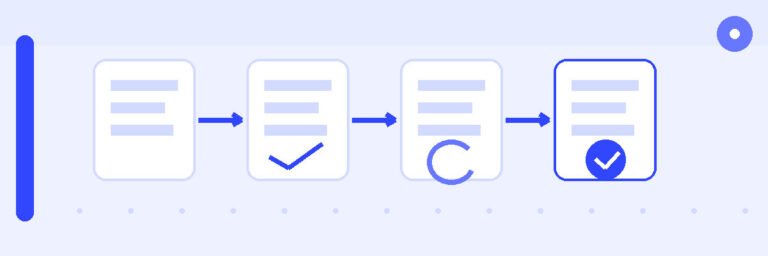

A purchase approval workflow defines how a business need becomes a documented request, how the request is reviewed, who has authority to decide and what happens after approval.
The workflow should separate the purchase decision from later purchasing activities. Approval may permit a request to proceed, but it does not mean an order has been placed, goods have been received or an invoice has been approved.
Use the process below as general guidance. Apply your organisation’s current procurement, budget, authority and record-retention requirements.
What Is a Purchase Approval Workflow?
A purchase approval workflow is the route a purchase request follows from submission to an authorised decision.
A practical flow is:
Identify need → prepare request → check information → review business and purchasing requirements → confirm approval authority → approve, return or reject → proceed with purchasing action → retain records
The request should explain what is needed, why it is needed and what information supports the decision.
Purchase Request vs Purchase Order Approval
A purchase request or requisition asks for permission to obtain goods or services.
A purchase order is a later purchasing document used according to the organisation’s procurement process.
Some organisations approve the request before creating an order. Others also review or authorise the order before it is issued. Define these decisions separately so participants do not mistake one approval for the other.
Roles in the Purchase Approval Process
| Role | Typical responsibility |
|---|---|
| Requester | Defines the need and supplies the required information |
| Requesting manager | Confirms the business need and priority where required |
| Procurement coordinator | Checks purchasing information and the appropriate route |
| Technical or operational reviewer | Assesses specifications, suitability or delivery requirements |
| Budget or finance reviewer | Checks the relevant budget or financial information where required |
| Approver | Makes the decision within assigned authority |
| Purchasing owner | Carries out the authorised purchasing action |
| Records owner | Retains the request, decision and supporting records |
Not every request needs every role. Use the roles required by the request and the organisation’s procedure.
Purchase Approval Process Flowchart
Purchase need identified
        ↓
Request and supporting information prepared
        ↓
Completeness check
   ┌────┴────┐
Incomplete   Complete
   ↓            ↓
Return for    Business / technical /
clarification purchasing review
                ↓
        Approval authority checked
         ┌──────┼─────────┐
      Approve  Revise    Reject
         ↓        ↓          ↓
  Purchasing   Requester   Decision
  action       updates     recorded
         ↓
 Order / next purchasing step
         ↓
 Records retained
This flowchart is illustrative. Replace each branch with the organisation’s approved rules.
How to Build a Purchase Approval Workflow
1. Identify the Purchase Need
The requester should explain:
- what is needed;
- intended use;
- required quantity or scope;
- required date;
- location or business unit;
- consequence of not purchasing;
- alternatives considered where required.
Avoid starting with a supplier choice when the actual business need is still unclear.
2. Define the Required Information
The request may need:
- specification or scope of work;
- business justification;
- expected delivery requirements;
- quotation or pricing information;
- budget reference;
- supplier information;
- risk or compliance information;
- supporting documents.
Use the organisation’s actual requirements. Do not collect information that no reviewer uses.
3. Check the Request for Completeness
Assign someone to confirm that the request is ready for review.
An incomplete request should be returned with specific questions. It should not sit in an unexplained pending state.
4. Review the Business Need
The relevant manager or process owner may need to confirm:
- the requirement is understood;
- the timing is justified;
- the request does not duplicate available resources;
- the scope is proportionate to the intended use;
- affected teams understand the request.
This review supports the decision but may not be the final approval.
5. Review Technical and Purchasing Requirements
Depending on the purchase, reviewers may assess:
- suitability;
- compatibility;
- delivery and installation needs;
- service or support requirements;
- supplier documentation;
- purchasing route;
- known dependencies.
Use qualified reviewers where the purchase has technical, safety or regulatory implications.
6. Confirm the Approval Authority
Use the organisation’s current authority matrix or policy to identify the approver.
The route may change when:
- the request exceeds an authority level;
- an exception is requested;
- a related party or conflict exists;
- the scope changes;
- a different business unit owns the budget;
- specialist approval is required.
Do not invent thresholds in the workflow. Refer to the approved authority source.
7. Record the Decision
Possible outcomes include:
Approved: The defined request may proceed to the next purchasing step.
Returned for revision: More information or a changed request is required.
Rejected: The request does not proceed in its current form.
Withdrawn: The requester no longer needs the decision.
Record the request reference, scope, approver, date, outcome, reason and any conditions.
8. Proceed with the Purchasing Action
The purchasing owner acts on the approved request according to the organisation’s procedure.
Confirm that the action matches the approved scope. A material change in quantity, specification, supplier or value may require reassessment.
9. Retain the Record
Retain the request, supporting evidence, decision and relevant purchasing records according to the organisation’s requirements.
Keep approval evidence distinct from receiving, invoice and payment records, even when they are connected.
Purchase Approval Request Template
| Field | Information to provide |
|---|---|
| Request title | Clear name for the purchase need |
| Requester | Person responsible for the submission |
| Department or location | Business area requiring the purchase |
| Goods or services | Description, quantity and scope |
| Business reason | Why the purchase is needed |
| Required date | When the outcome is needed |
| Supporting information | Specifications, quotations or other required records |
| Budget information | Relevant reference under the organisation’s process |
| Known dependencies | Installation, delivery, access or other prerequisites |
| Requested decision | What the approver is being asked to authorise |
Illustrative Purchase Approval Example
A maintenance team requests replacement equipment.
The requester supplies the specification, intended use and required date. The technical reviewer confirms compatibility. The procurement coordinator checks that the supporting information is complete and identifies the authorised approver.
The approver returns the request because the delivery requirement is unclear. The requester updates the request. The approver then authorises the defined purchase.
The purchasing owner proceeds under the organisation’s purchasing process. The approval does not confirm that an order has been issued or that the equipment has been received.
Common Purchase Approval Mistakes
- submitting a supplier preference without defining the need;
- using an outdated approval authority list;
- treating manager support as final approval;
- creating an order before the required decision;
- changing the approved scope without reassessment;
- failing to connect the decision to the request version;
- combining purchase, receiving and invoice approval into one unclear status.
Purchase Approval Checklist
- The purchase need and intended outcome are clear.
- Required specifications and supporting information are present.
- The correct reviewers have assessed the request.
- The approver holds the required authority.
- Exceptions and conflicts are recorded.
- The decision identifies the approved scope.
- The purchasing owner understands the next action.
- Material changes return for reassessment where required.
- Approval and purchasing records are retained appropriately.
Frequently Asked Questions
What is a purchase approval workflow?
It is the process used to prepare, review and authorise a purchase request before the next purchasing activity begins.
What is the difference between a purchase request and a purchase order?
A purchase request explains the need and asks for permission to proceed. A purchase order is a later purchasing document used under the organisation’s procurement process. The exact relationship depends on the organisation’s procedure.
Who should approve a purchase request?
The person or role assigned authority under the organisation’s current policy or approval matrix. The requester, reviewer and approver should be distinguished where required.
What information should a purchase request include?
Include the requested goods or services, business reason, scope, required date and supporting information required by the organisation. Add specifications, quotations, budget references or other evidence where the process requires them.
What happens when a purchase request changes after approval?
Assess whether the change is material. A change to scope, quantity, specification, supplier or other important terms may need a new or revised decision.
Is purchase approval the same as invoice approval?
No. Purchase approval authorises a proposed purchase. Invoice approval evaluates an invoice and its supporting records before it proceeds to the next financial step.
Conclusion
A useful purchase approval workflow gives the requester a clear submission standard and gives the approver enough information to make a valid decision.
Build the process around the organisation’s actual purchasing and authority requirements. Test it with a complete request, an exception and a changed scope before using it for routine purchasing decisions.